
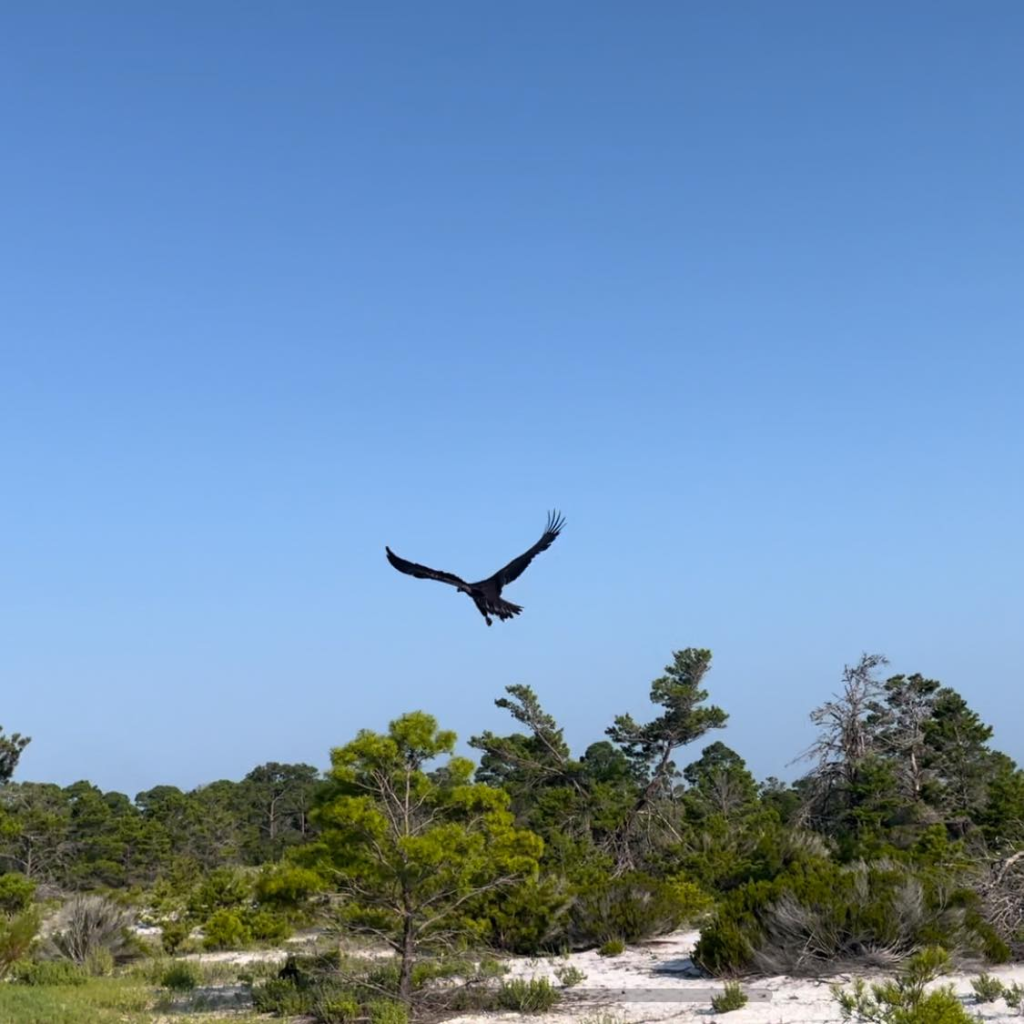
A film for the Wildlife Sanctuary of Northwest Florida
Weekends, Holidays & Hurricanes

Opening statement from the creative team
Every animal in that building was carried to the door by a stranger. Four thousand one hundred of them last year. Somebody pulled over, put a squirrel in a box, and handed it to Emily. That is the sanctuary's whole economy, and it's the audience for this film.
Your feasibility study already told us what works: people don't give to a building, they give to Amelia. So this film doesn't pitch an organization. It leads with the animals and the people who carry them, and it lets the building make its own argument, which it does the moment you see the water.
This isn't "please support us." Your community already does. It's the film that shows them what they've been part of, and asks them to do one more thing: help move the door.

The idea
Every animal here was
carried in by a stranger.
That's our read of what you do, and it's the spine of the film. The title is yours: weekends, holidays and hurricanes, the hospital has never closed. Five floods have come through the building, four feet of water at the worst, and the doors stayed open. That's the turn the film makes. The doors you never close are the doors the water comes through. Time to build ones it can't reach.
The film
3 to 6 minutes · Documentary · No narrator · Emily inside, Leah outside, the volunteers between them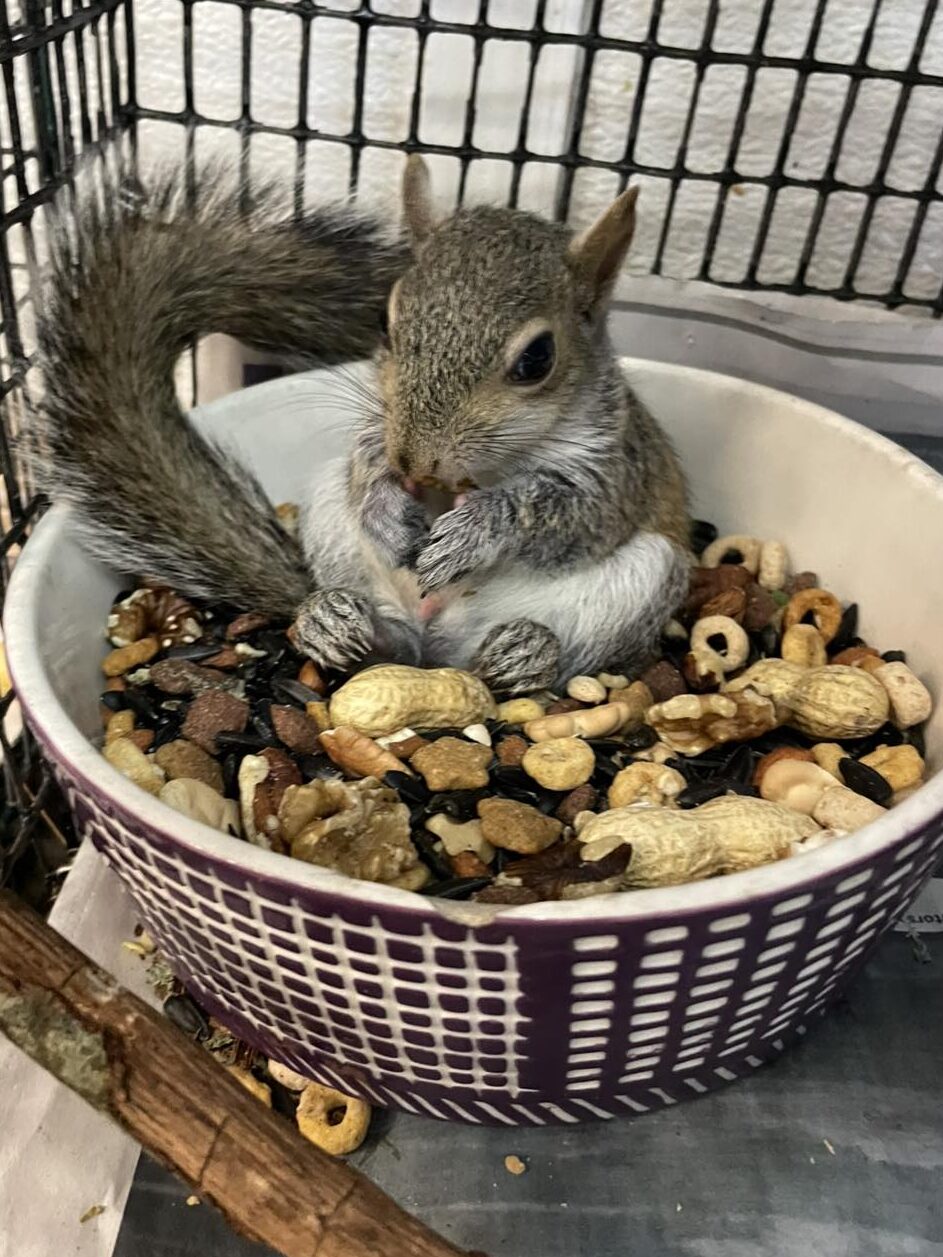
A drop-off
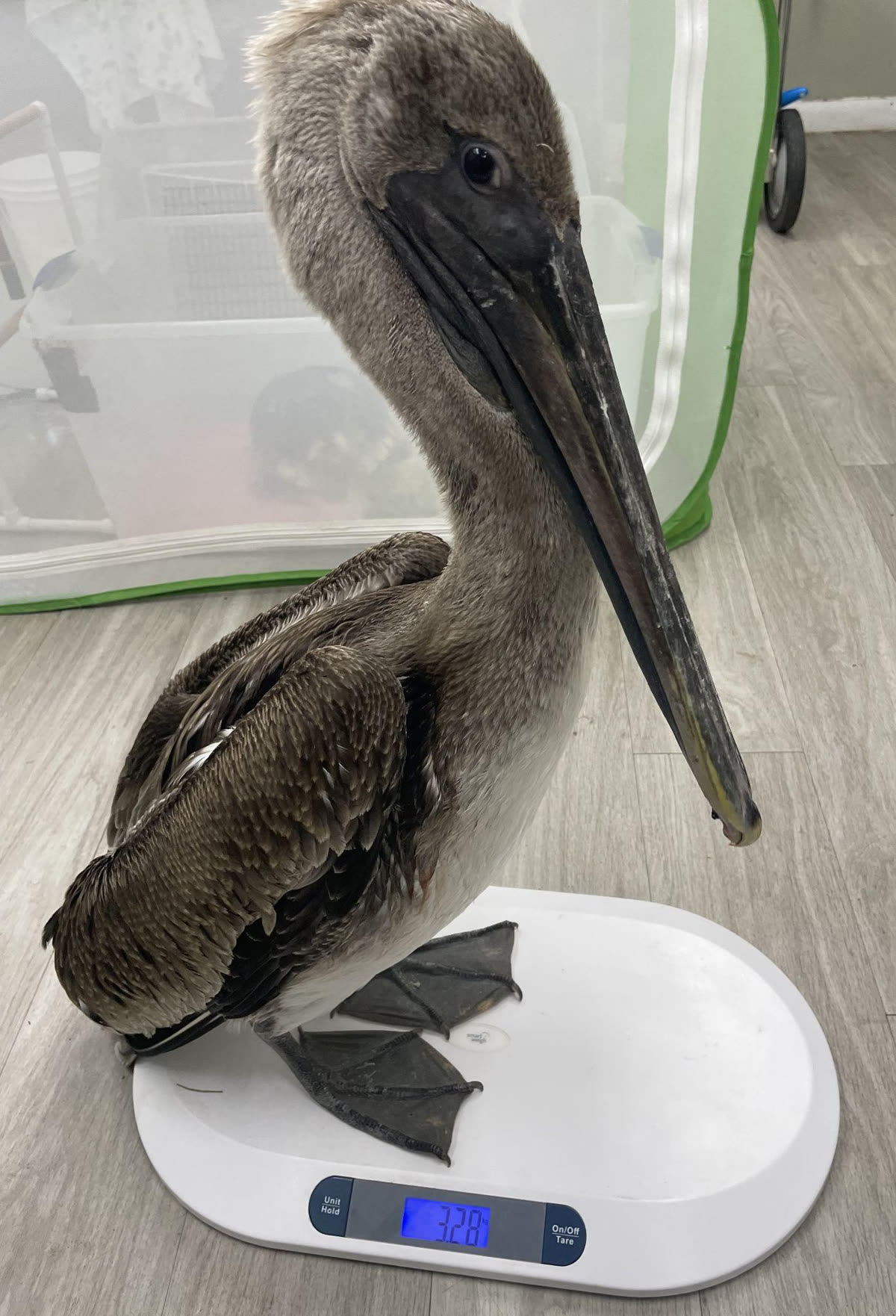
A stranger's hands. A box. The door. Gloves go on before anything is touched. One of these happened in the middle of our tour; they happen all day, every day.

The house
A donated home, retrofitted in the '80s. Human kitchen, patient kitchen. The nursery, incubators, forty patients a day in baby season, hand-fed every couple of hours. Emily at work. The numbers land as type, not speech: free. Seven days. 4,100 last year, up from 2,800 five years ago. A hundred dollars an animal.
The flood line
Emily at the wall where the water marks are. 2014 is the highest one. Eight eagles were on the property that night and two could fly; the staff swam the rest out, holding them above their heads. The power was out for days. Orphaned babies were kept alive with hand warmers. She tells it there, in the room. We don't reenact it. The place holds the memory.
The hospital flooded. But the animals lived.

Apollo
Forty-four years old, blind, here since 1985. He has lived in that building through every one of the floods. A quiet passage. The stakes, without the melodrama.
Jones Swamp
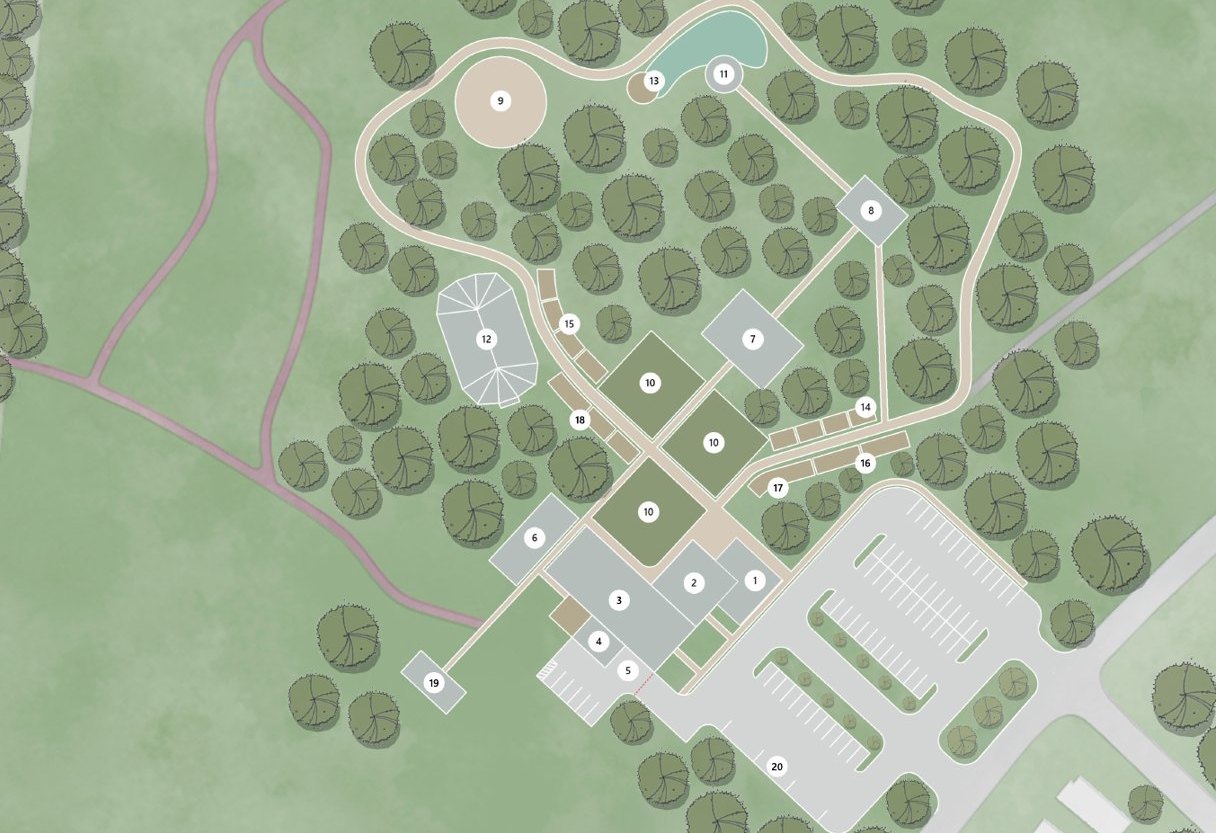
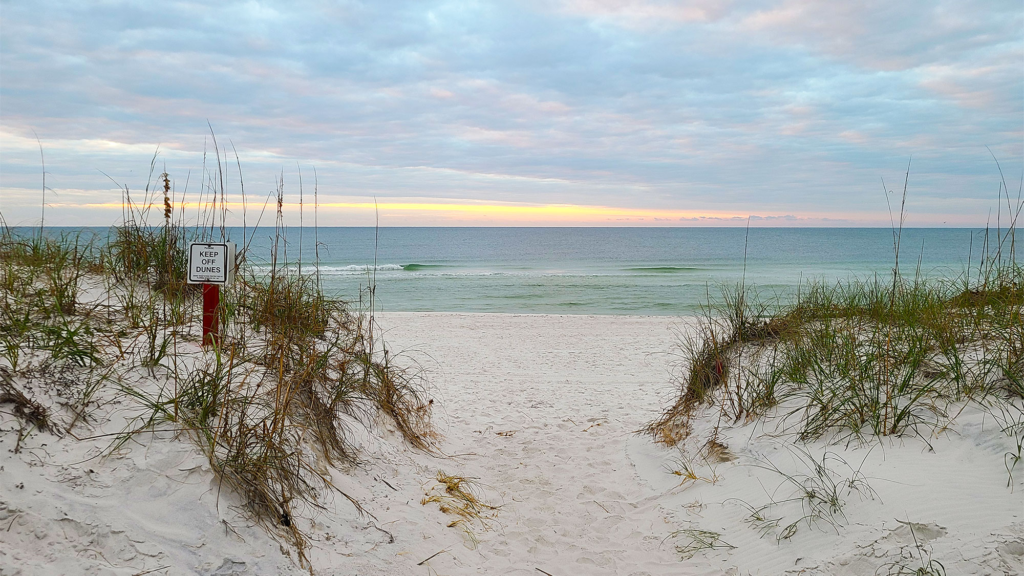
"We do not close our doors." Cut to thirteen dry acres, ten minutes away. Leah walks the trail; this is her section, the campaign she's carrying. The architects' concept sits in the landscape so it reads as homework, not a dream: a real hospital with a surgical suite, pools for pelicans and loons, a flight school, a kids center. We say the hard thing out loud: canopy kept, permeable ground, releases on the property itself. And when they move, the old lot goes back to the county as wetland. The place that flooded becomes the place that absorbs the flood.
A release
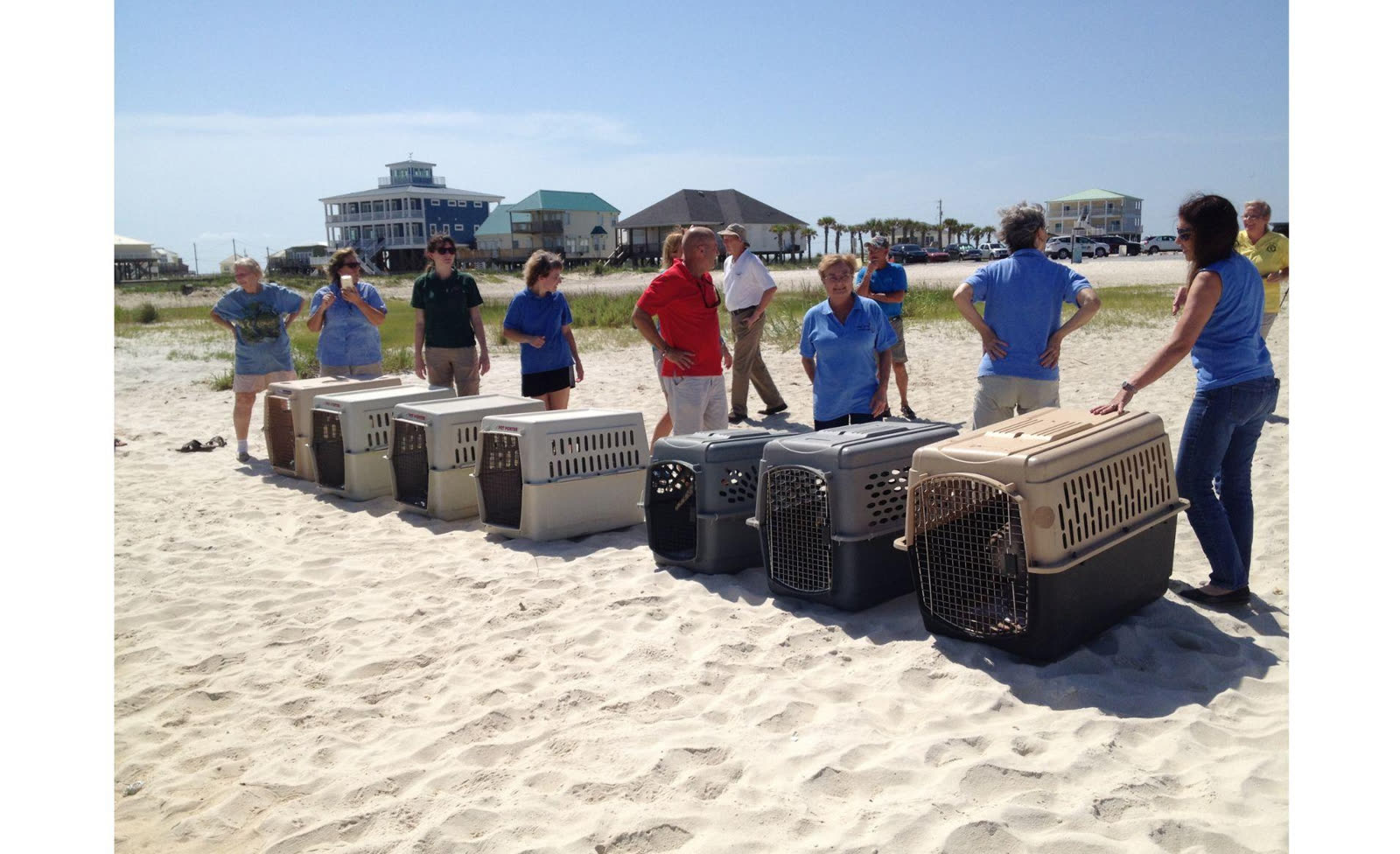
The carrier opens. The animal goes. The goal is always release, and the sanctuary is about to do the same thing. Over black:
You carried them here. Help us build the place they deserve.
How it looks and sounds
Documentary · Natural light · The sanctuary is the score

Light
What's there. Morning through the enclosures, the incubator glow in the nursery, rain on the pond. One small kit for Emily's interview so her face is the brightest thing in a dark house.
Camera
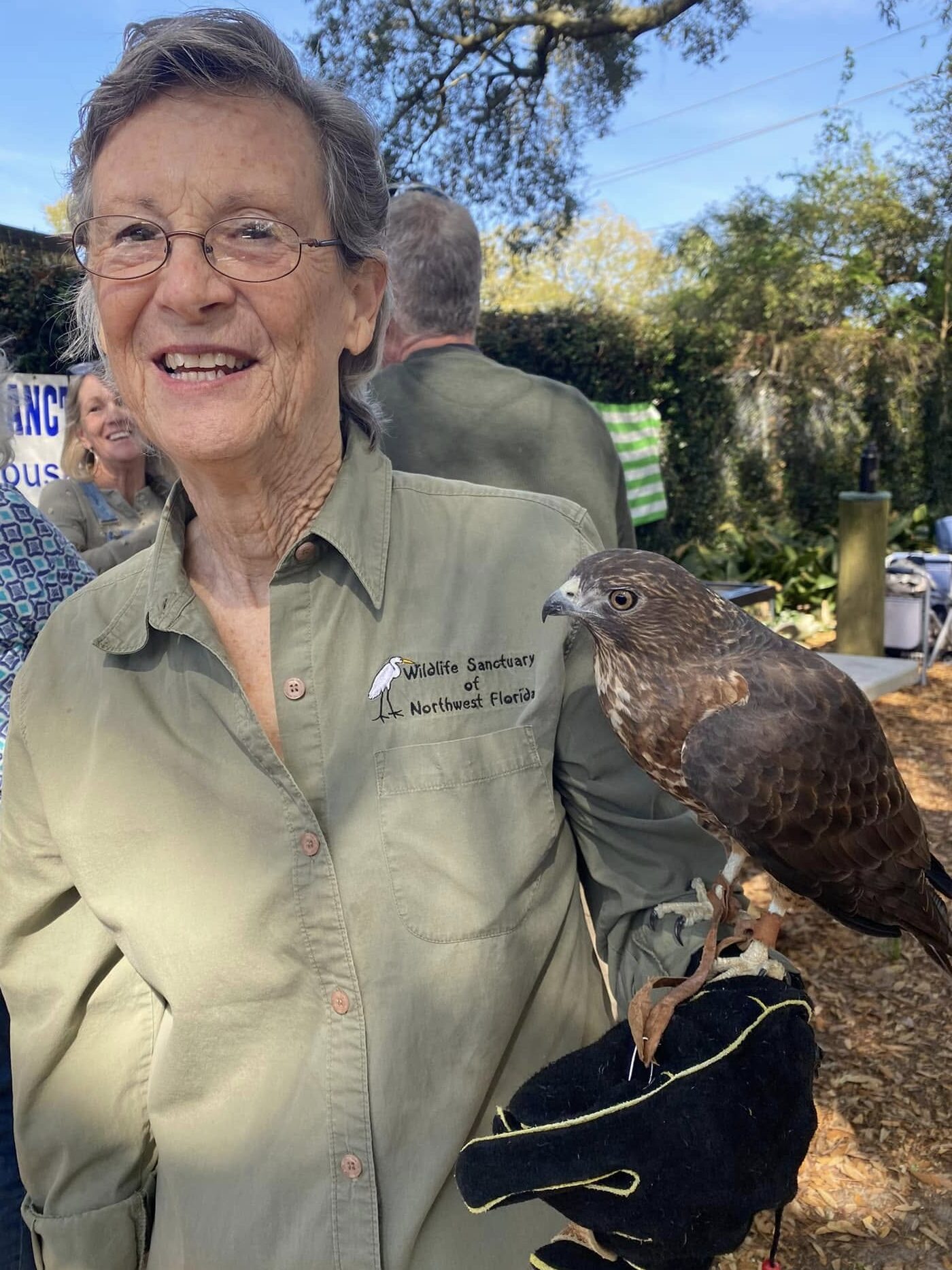
Handheld but composed. Close on hands and gloves, wide on water and land. Long lenses for the residents so nobody is crowded, least of all Amelia. One drone day over the swamp and the new acres.
Sound
Birds, rain on the roof, the door. Emily, Leah, and the volunteers over pictures, not to camera. No narrator. Music arrives late, when the carrier opens.
Cut
Patient in the hospital, quick at the door. Each beat stands alone so it can be a reel, and the master still reads as one film.
What it becomes
One shoot, one story, everything below cut from itThe film
Three to six minutes for the website, the launch, the board room, and any newsroom that asks for clips. This is the thing the campaign points to.
A :30 spot
Free wildlife hospital. Open seven days. Weekends, holidays, hurricanes. On the new branding, so it outlives the campaign.
Social cuts + a B-roll library
Each beat as its own reel, plus forty clips exported so Leah's daily post has real footage behind it for a year.
A community day
Leah teaching one of her programs, a volunteer morning with two or three of the long-timers sat down for a few minutes each, a release on a partner's land. The people who already show up, on camera, doing what they do.
The intake map
Where 4,100 animals were picked up, plotted across Escambia and Santa Rosa. A picture of the community this film is asking, and the intake-location tracking the new facility plans to do anyway, started early. Built by us, no generative AI, in the spirit of the listening map we made for the Estuary Program.
A screening night
Eighteen seats in a real theater for the eighteen people who move the needle most. A premiere with a party attached, not a party with a TV in the corner.
Which of these you get is the investment conversation, and it lives in the proposal. The film is in every version. What scales is everything around it.
What happens next
Launch it on
Giving Tuesday.
A date turns a video into a campaign. December 1 is when your supporters are already deciding what to give; the film should be the reason they give more this year than last.
You carried them here.
Photographs on this page are the sanctuary's own, from pensacolawildlife.com and the 2026 facility plan, used here for the treatment only. Every frame of the film will be ours.